Four workshop scenarios

The same legal task.
A different center of power

Four possible futures for law in 2040 explore who delivers legal services, who owns the , and who has the final say.

Test a technology or outsourcing decision against each future. A hypothetical supplier renewal shows how responsibility and dependence could change.

Workshop scenarios; backstory dates are imagined turning points.

Choose a future

Select one to see who holds control, what the company gains and what it must manage.

Future 1 of 4 · Workshop scenario

The company builds the system

In this scenario, legal checks and risk rules become part of the tools employees use to make agreements and run the business. Lawyers focus more on exceptions, new risks and the rules the systems follow. The chief legal officer moves into a broader role overseeing business operations.
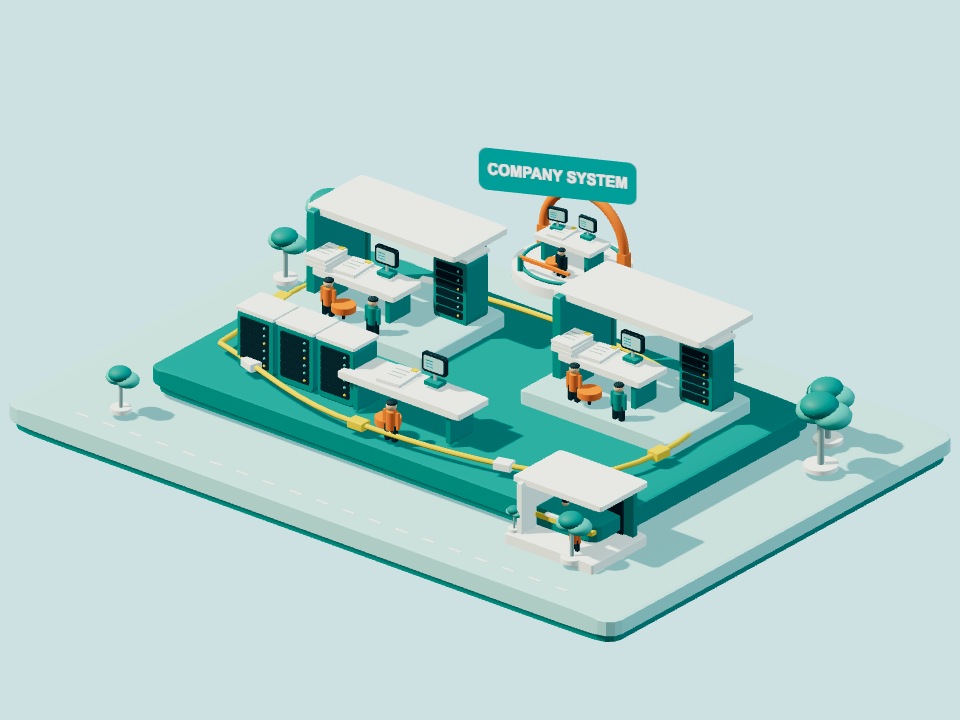
Who holds controlThe company builds and controls shared systems for legal work.
A miniature legal system changes its infrastructure and connections when you select a different future. The location of control changes.

What the company gains

Legal problems can be caught where decisions happen. Specialist lawyers concentrate on exceptions and new risks.

What it must manage

The system needs deep access to organizational knowledge. Who is accountable for decisions made before a person sees them?

The same task in this future · A supplier renewal

The renewal reaches procurement with obligations, policy checks and escalation rules already connected. Legal’s work is embedded in the company’s operating system. The hard question is who answers for a decision made before a lawyer sees it.

Illustrative scene written for this guide, based on the scenario. Hypothetical, not a recorded event.
See the operating model

Leadership implication: The chief legal officer becomes chief operating officer.

Swipe to explore the diagram →World One SystemLegal and risk knowledge connects to enterprise workflows. The company controls the shared systems.Legal knowledgeRisk controlsBusiness workflowsCOMPANY-CONTROLLED SYSTEMS
A visual interpretation of how legal work and responsibility are arranged in this scenario. Moving points represent activity.
Read the imagined path to 2040

The imagined path to 2040

2026

Cost pressure pushes legal to organize its data and try software that performs defined legal tasks.

2030

Software agents that perform tasks become part of daily work across business functions.

2035

Legal intelligence becomes embedded across enterprise decisions.

2040

A small expert team supervises legal and risk checks across business operations.

How the idea developed

Pre-work card: Merge of Legal + Tech + Business Operations

The early merger idea becomes an operating model with legal knowledge and checks built into everyday business work.

Scenario deck, pp. 6–10; pre-work scenario cards. Summaries condensed for this guide.
Future 2 of 4 · Workshop scenario

Legal directs the network

In this scenario, specialist firms and tools remain separate. The general counsel uses the company’s purchasing power, data and common standards to make them work together. Legal remains a distinct function, responsible for selecting providers, controlling access to information and coordinating the service.

Who holds controlCorporate legal sets the terms for a network of external tools and firms.

What the company gains

Specialist capability stays available without surrendering the company’s legal knowledge.

What it must manage

Coordinating separate providers takes sustained work. Can the company maintain common standards, manage the dependencies and justify the continuing investment?

The same task in this future · A supplier renewal

Several specialist services handle the renewal, each using the company’s standards and data permissions. The general counsel decides how the pieces work together. Keeping that network coherent becomes a continuing legal responsibility.

Illustrative scene written for this guide, based on the scenario. Hypothetical, not a recorded event.
See the operating model

Leadership implication: The general counsel becomes chief legal strategist.

Swipe to explore the diagram →World Two SystemThe general counsel controls a central hub. Distinct providers and tools connect on the buyer’s terms.Specialist toolsExternal firmsLegal agentsOther providersLegal control towerBuyer sets standards
A visual interpretation of how legal work and responsibility are arranged in this scenario. Moving points represent activity.
Read the imagined path to 2040

The imagined path to 2040

2026

Companies organize their own legal data and strengthen legal operations.

2030

Legal-specific systems grow as knowledge moves back in-house.

2035

Buyers require providers to work through shared standards.

2040

The general counsel orchestrates a competitive network on the company’s terms.

How the idea developed

Pre-work card: Build your own legal

The early idea of a legal function organized around one general counsel develops into a company-controlled network of specialists, with shared standards and responsibility for data.

Scenario deck, pp. 11–15; pre-work scenario cards. Summaries condensed for this guide.
Future 3 of 4 · Workshop scenario

Providers own the infrastructure

Law firms, legal technology businesses and large technology providers combine their capital, expertise and data. Companies rely on their shared infrastructure for agreements, disputes and compliance. In-house teams still set risk appetite, but work within systems owned elsewhere.

Who holds controlAn alliance of firms and technology providers owns the infrastructure.

What the company gains

Companies gain speed, scale and capability they could struggle to build alone.

What it must manage

Efficiency can come with dependence. How much power remains when the data and operating knowledge sit outside the company?

The same task in this future · A supplier renewal

The renewal runs through a platform built by law firms and technology companies. The company gets capability it could struggle to build alone. Its legal team must decide how much dependence comes with that advantage.

Illustrative scene written for this guide, based on the scenario. Hypothetical, not a recorded event.
See the operating model
Swipe to explore the diagram →World Three SystemLaw firms, legal technology and big technology build shared infrastructure. The company relies on the providers’ shared systems.Law firmsLegal technologyBig technologyPROVIDER-OWNED INFRASTRUCTURECompany relies on the system
A visual interpretation of how legal work and responsibility are arranged in this scenario. Moving points represent activity.
Read the imagined path to 2040

The imagined path to 2040

2026

Firms and technology providers invest while companies face cost pressure.

2030

Providers expand from advice into infrastructure and new pricing models.

2035

Consolidation deepens and new roles emerge around the systems.

2040

Smaller in-house teams depend on shared systems owned by providers.

How the idea developed

Pre-work card: Law firms own the platform, data, and legal infrastructure

A law-firm-dominance story becomes an alliance between firms, legal technology and big technology providers.

Scenario deck, pp. 16–20; pre-work scenario cards. Summaries condensed for this guide.
Future 4 of 4 · Workshop scenario

People claim the final say

Legal technology becomes deeply integrated, but failures expose limits in context, fairness and judgment. The profession evolves around people who can understand, supervise and challenge automated systems. New roles and licenses emerge. The world’s central claim, that humans remain in charge, stays contested.

Who holds controlPeople are meant to retain judgment, escalation and override authority.

What the company gains

More accessible legal capability with a human route for high-stakes decisions.

What it must manage

A human title does not ensure human power. Can people actually understand, challenge or stop a system they depend on?

The same task in this future · A supplier renewal

The automated checks clear the renewal. A lawyer sees a consequence outside the system’s view and asks it to stop. This world turns on whether that person has the information and authority to make the intervention hold.

Illustrative scene written for this guide, based on the scenario. Hypothetical, not a recorded event.
See the operating model
Swipe to explore the diagram →World Four SystemRoutine legal work flows through an integrated system. High-stakes decisions escalate to a person with authority to challenge or stop it. That authority is contested.Automated workDecisions & actionHuman authorityInspect · Challenge · Override
A visual interpretation of how legal work and responsibility are arranged in this scenario. Moving points represent activity.
Read the imagined path to 2040

The imagined path to 2040

2026

Adoption expands alongside concerns about reliability and supervision.

2030–32

Failures in real situations and public reaction expose limits in automated judgment.

2035

Institutions demand clearer accountability, audit trails and intervention.

2040

New legal roles focus on when to trust, challenge or override the system.

How the idea developed

Pre-work card: Legal technologists on top

A technology-led hierarchy develops into a contested claim about human judgment after machine-led law reaches its limits.

Scenario deck, pp. 21–26; pre-work scenario cards. Summaries condensed for this guide.
Compare all four futures side by side
Owning the technology and making each decision are different forms of control.

A company can choose its systems and rules while allowing software to handle routine decisions. The first two futures combine company control over the service with a growing role for automated decisions. In practice, an organization may recognize elements of more than one future.

Editorial comparison of the four workshop scenarios.
Possible futureWhat the company gainsWhat it must manage
Company builds the systemLegal checks built into daily operationsResponsibility for automated decisions
Legal directs the networkSpecialist services on the company’s termsCoordination, shared standards and continuing investment
Providers own the infrastructureCapability supplied by external providersDependence on their systems, data and knowledge
People claim the final sayA route to human judgment and interventionWhether people can understand and stop the system

Use these possible environments to examine the tradeoffs in a current decision. This guide assigns no ranking or probabilities to the four worlds.

How the workshop developed these futures
The questions behind the worlds

Three uncertainties.
Eight possible combinations

Four combinations were developed in detail. The others remain open possibilities. This selection tells us what the workshop explored; it does not tell us which future is most likely.

01 / Connection

How does the technology fit together?

IntegratedShared standards, data and workflows connect the system.FragmentedMany tools and providers compete without one common structure.

02 / Initiative

Who drives the change?

Companies lead changeCorporate legal uses purchasing power and data to reshape delivery.Companies respond to changeCorporate legal responds while other actors set the pace.

03 / Authority

Where does the final say sit?

Automated systems increasingly shape legal decisions and actions. People handle a narrower set of exceptions.Human authorityPeople retain meaningful judgment and the power to intervene.

4 developed / 4 left open. Three developed worlds lean toward algorithm-led authority. Only world four centers human authority, and explicitly questions it.

Scenario deck, pp. 2–5. Plain-language labels for the workshop’s axes: integrated/fragmented; buyer disruption/status quo; algocracy/human supremacy.
Other questions behind the scenarios

Participants also considered whether technology can be understood and trusted, which work lawyers retain, how careers develop, how much work machines perform, and how public reaction or regulatory change could alter the picture.

These broader questions complicate the three-axis model. Connected systems, for example, can still be opaque. Human participation can vary by task even within the same world.

Scenarios and critical uncertainties, secondary clusters
CONTINUE THE STORY
See change through three horizons